
Why we’re showing up for solar at COP27

Lightsource bp, one of the world’s largest solar power companies, will be attending the United Nations climate change conference in Sharm el-Sheikh this month to demonstrate solar’s essential role in urgent decarbonisation and in deeper, long-term emissions reductions across key sectors.
Solar power at scale is foundational to the global effort to limit average temperature increases to 1.5°C — an objective set at the previous COP negotiations in Glasgow last year. Our aim at COP27 is to amplify the solar industry’s voice and demonstrate practical pathways to delivering significant energy at the speed required to avert a climate catastrophe. Business as usual is not enough.
To achieve that goal, the global deployment of solar needs to accelerate by a factor of four this decade and a factor of ten by 2050, according to the International Renewable Energy Agency (IRENA). Solar is now well-established as the cheapest source of electricity in history, cheaper than coal and without the additional costs to human health and nature.
Lightsource bp is targeting the development of 25GW of solar power projects around the world by 2025, a fivefold increase on our total as of 2021. This is the pace and direction of change required. Delivering it around the world at the scale required will need a huge effort from policymakers, investors and the energy sector itself.
2022 – a year of changed climate
Climate change has left a deep impression on 2022.
The urgency of greater action has been laid bare by a series of grim milestones and exacerbated disasters.
In January, Australia matched its highest ever recorded temperature. In July, the UK topped 40°C for the first time. From June onwards flooding devastated Pakistan displacing one in seven of its population.
Wildfires, floods and famines are uncompromising. They do not negotiate. So we must.
Last year’s COP26 in Glasgow saw nations agree to close the gap between existing climate pledges and what is required to cap warming to 1.5°C. Emissions reductions need to be 45% lower than they would be under existing policies.
Delivering on that faster pace requires immediate action and bold collaboration across the private sectors.
Renewable energy will have a huge part to play in decarbonising the ways we travel, eat, make things and how we heat and cool our homes. The technologies exist but the opportunity will be missed without rapid action.
As well as enabling others to take advantage of low-cost, low-carbon electricity, Lightsource bp is also working to reduce its own impact. We’re working to set out science-based targets for our own greenhouse gas emissions. We want to lock-in biodiversity successes we’ve enjoyed with our projects across our portfolio. And we want our teams delivering our success to be diverse and motivated for the race to stay below 1.5°C.
Meet our COP27 delegation here.
Related news
13 Feb, 2026
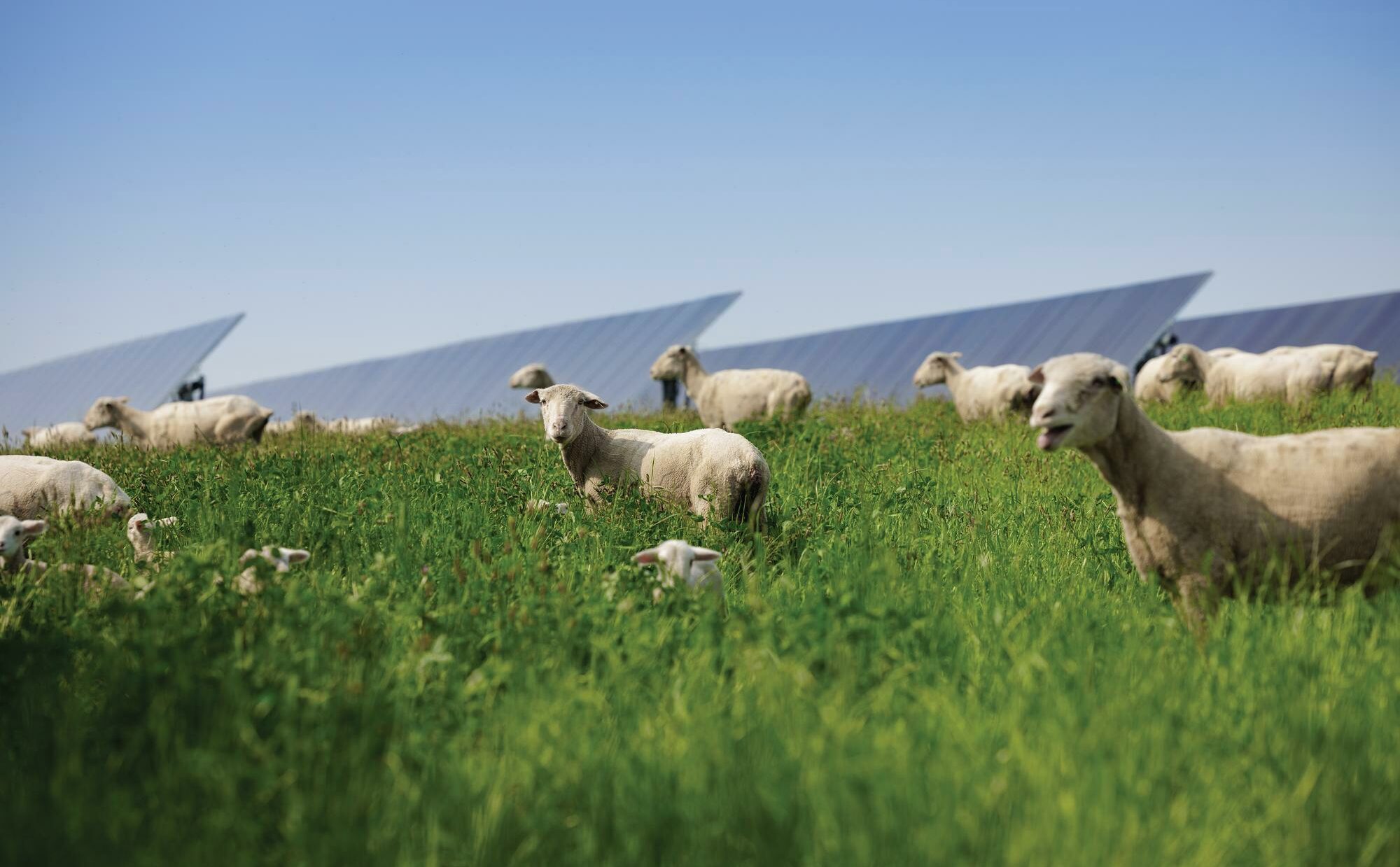
Hett Moor Solar Farm awarded a contract in UK AR7 renewables auction
Lightsource bp has been awarded a Contract for Difference (CfD) for Hett Moor Solar Farm in the UK Government’s latest renewables auction, AR7.
26 Jan, 2026
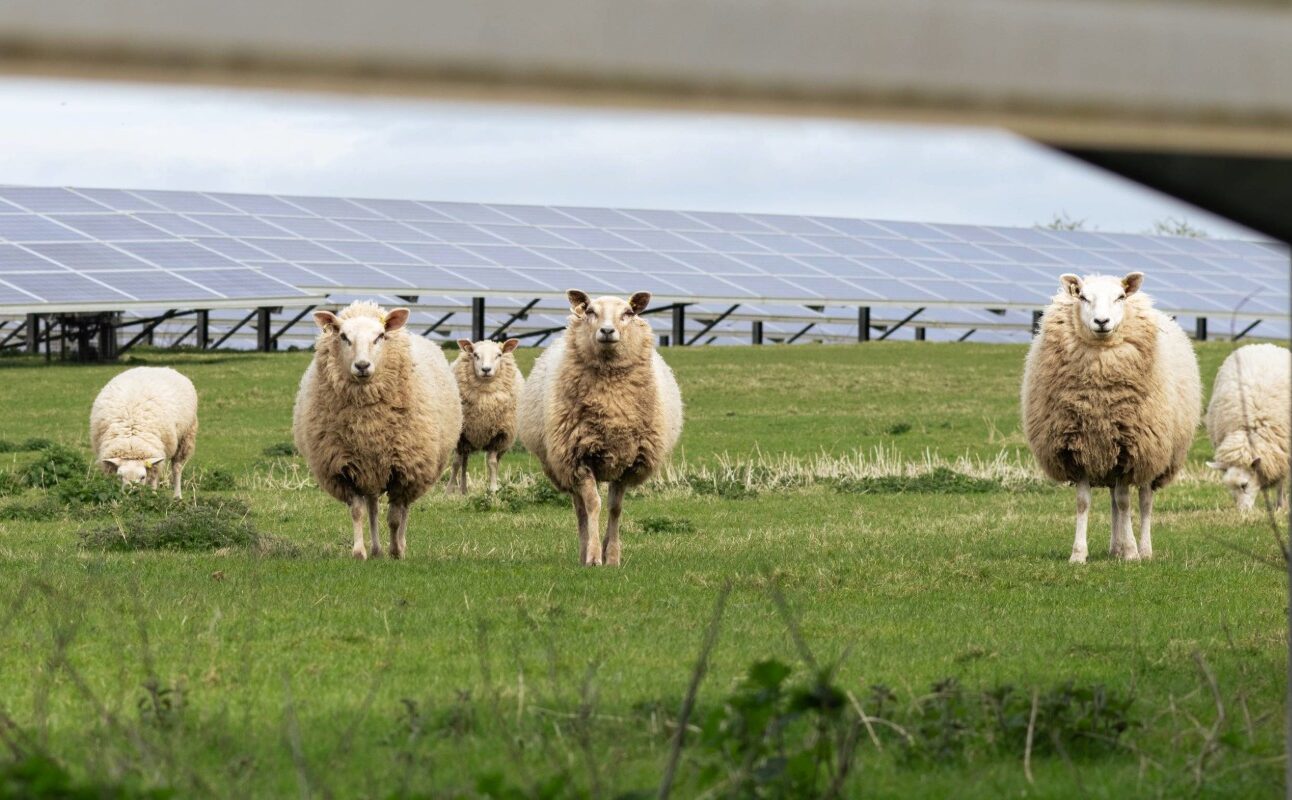
Farming and energy – working side by side
Sheep grazing on solar farms combines agriculture with solar electricity generation, enabling livestock to graze and crops to grow alongside and beneath solar panels.
21 Jan, 2026
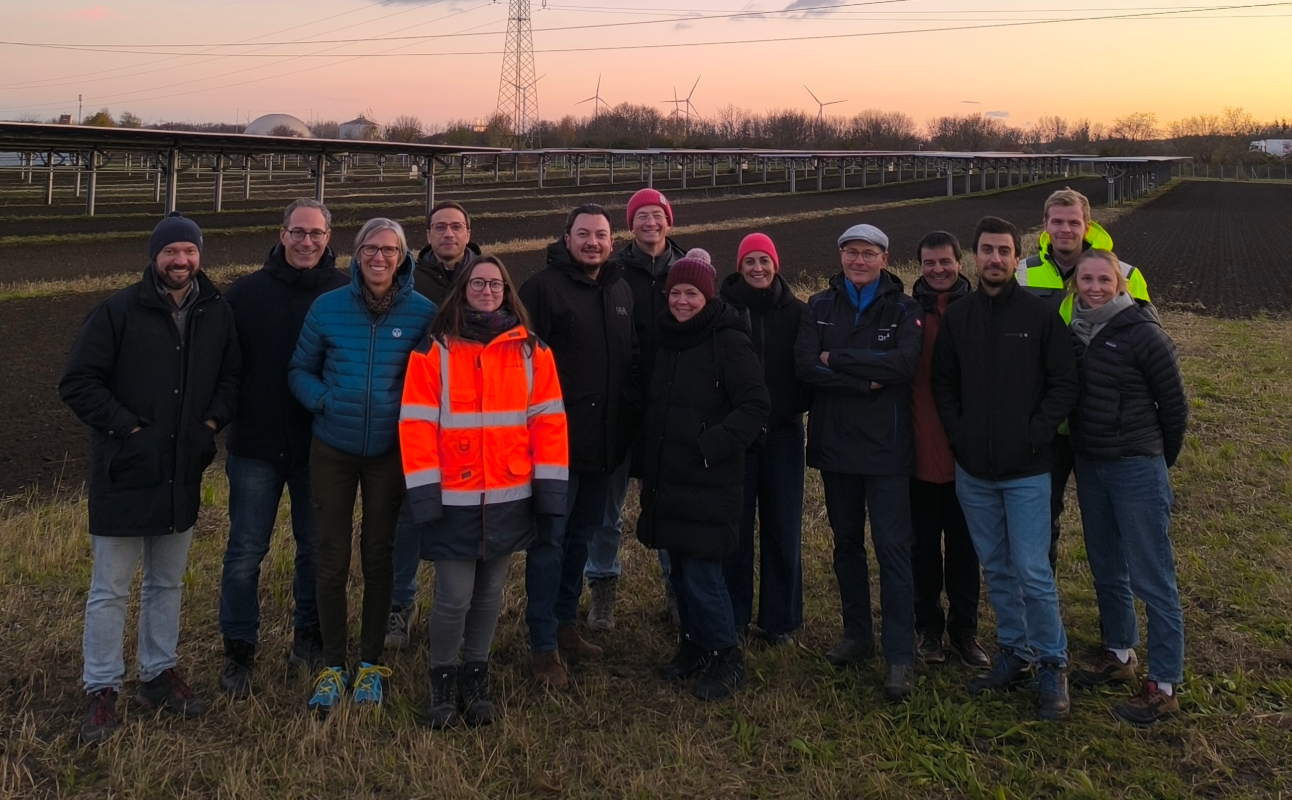
Exploring cutting-edge AgriPV innovations during site visits in Austria
Deepening our understanding of how solar energy and agriculture can sustainably coexist at scale by learning from pioneering projects across Austria.